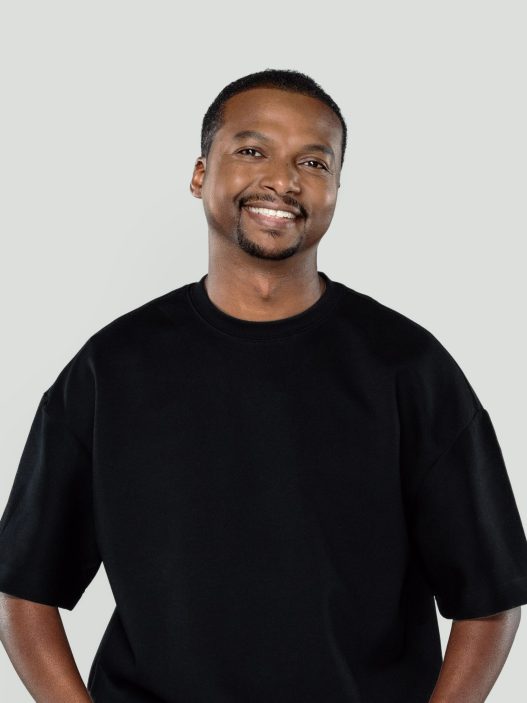






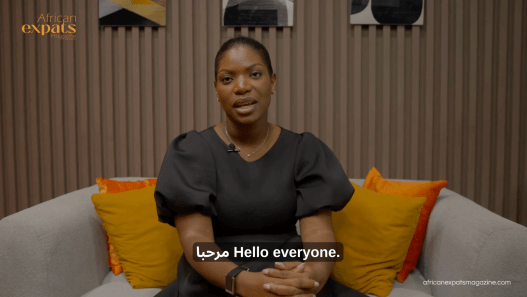

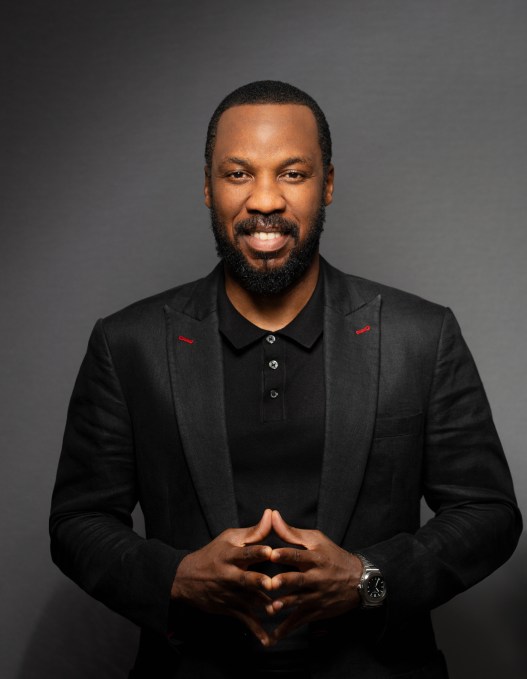
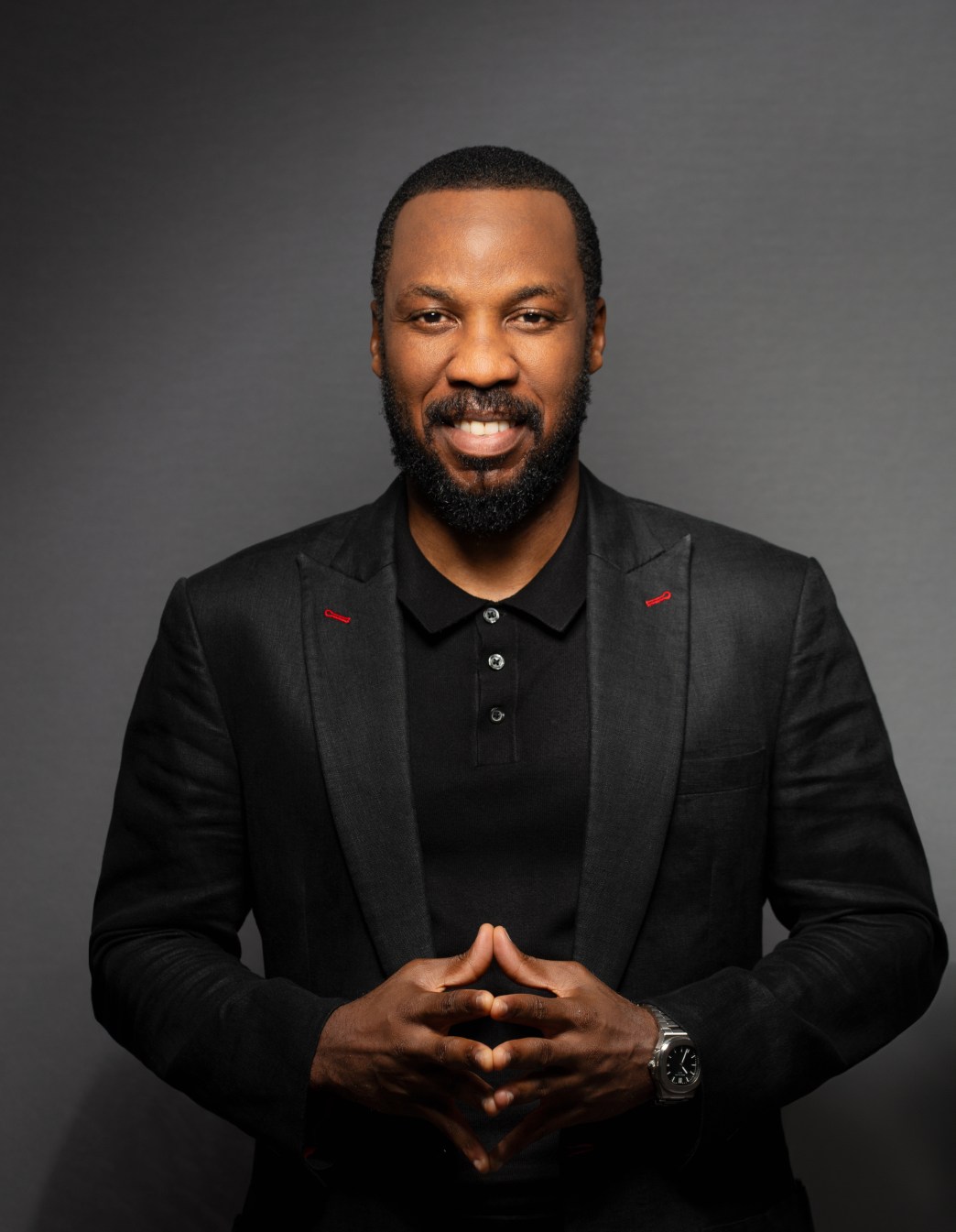
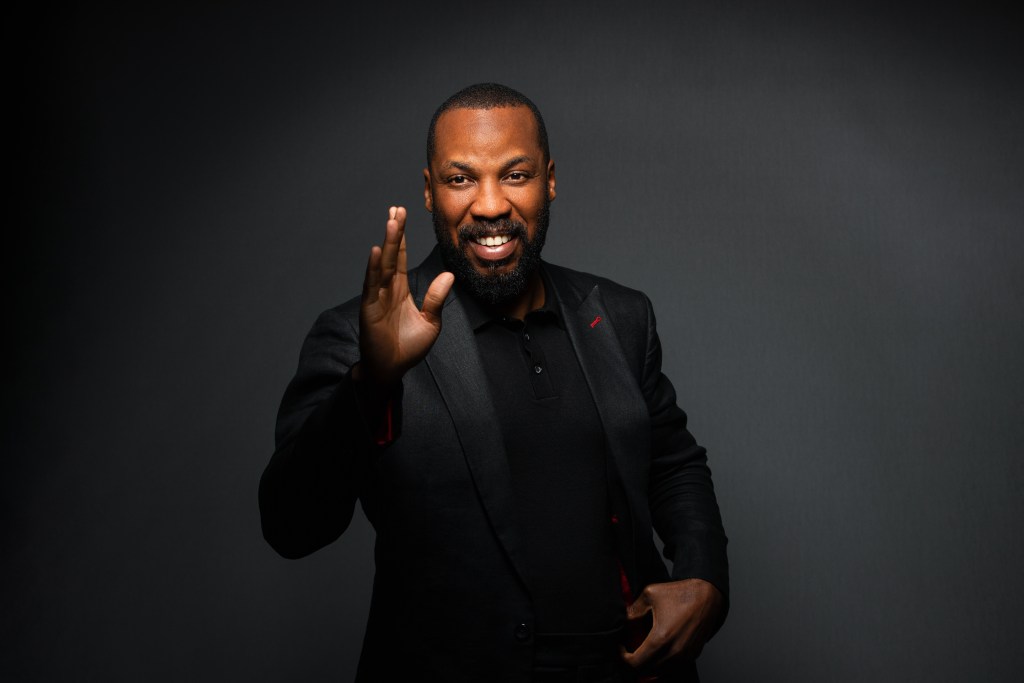
In this edition of Leadership Voices, African Expats Magazine sits down with Izu Nwachukwu, Senior Client Solutions Manager at LinkedIn Middle East. From Nigeria to the UAE, his journey reflects the evolving story of African leadership on the global stage ; bold, strategic, and unapologetically impactful.
Could you tell us a bit about your background and what led you from Africa to your current role as Client Solutions Manager at LinkedIn Middle East?
I was born and raised in Nigeria, where I developed a deep appreciation for resilience, entrepreneurship, and the power of storytelling, values that have shaped much of my personal and professional life. My early career started in marketing and communications, supporting multinational brands across Africa and Europe. I was always drawn to platforms that empower people, which led me to explore digital strategy and later specialize in B2B marketing. 
What led me to the UAE, and eventually to LinkedIn, was a desire to work at the intersection of business growth and human potential. I wanted to help companies not just market their products but shape the way they connect with people. At LinkedIn, I get to do exactly that: I partner with clients across the Middle East to help them reach the right audience, build their brand, and drive business impact using data and insight-driven solutions.
This role is more than a job, it’s a continuation of my mission to elevate African and emerging market voices in global business.
Navigating a Multicultural Business Landscape
What were some of the pivotal challenges and opportunities you faced transitioning into the Middle East professional landscape?
One of the biggest challenges was navigating the multicultural complexity of the Middle East. Unlike markets that are culturally homogeneous, the UAE is a global crossroads, a fusion of Arab, South Asian, African, and Western influences. Understanding how business is conducted here, and how to adapt communication styles across cultures, was essential.
There’s also the unspoken challenge of representation. As an African professional in a global tech company, I was often the “only” in the room. But I learned to see that not as a barrier, but as an opportunity to bring a fresh, underrepresented perspective.
On the opportunity side, the Middle East offers an incredible pace of innovation and receptiveness to new ideas. Especially in the UAE, there’s strong government support for tech, entrepreneurship, and emerging talent. That openness made it possible for me to grow quickly, both professionally and personally.
Leadership Across Continents
Leadership is a central theme in your career, how would you define your leadership style, and how has it evolved across markets?
I would describe my leadership style as vision-led, collaborative, and impact-focused. I believe in empowering others with clarity of purpose and creating environments where people feel seen, heard, and trusted.
Coming from Africa, where resourcefulness is often a way of life, I learned early on how to build with limited resources. In Europe, I learned the discipline of structure and strategy. And in the Middle East, I’ve learned the value of the human touch, speed and bold execution.
Over the years, my leadership style has evolved to be more empathetic and culturally aware. I’ve come to appreciate that leadership isn’t about having all the answers, but about creating space for diverse perspectives and moving toward shared success.
The African Advantage
As an African professional working in a global tech company, what unique perspectives or strengths do you believe you bring to the table?
Africa has taught me resilience, adaptability, and innovation born out of necessity. In a continent where systems aren’t always perfect, you learn how to create solutions, how to pivot fast, and how to build relationships that matter.
At LinkedIn, I bring that same spirit. I’m not afraid to ask hard questions, challenge conventional thinking, or advocate for underrepresented markets and voices. I understand what it means to build in “non-traditional” environments, which helps me support clients in emerging markets with more empathy and relevance.
I also bring a strong sense of community building; something rooted in African culture. Whether it’s mentoring others, collaborating across departments, or launching new initiatives, I lead with the belief that success is collective.
Advice to the Next Generation
Many young Africans aspire to global careers. What advice would you give them for breaking into leadership roles within international organizations?
First, own your story. Your background is not a limitation, it’s an asset. Speak confidently about your experiences, your journey, and the unique value you bring.
Second, invest in your skills and visibility. Learn how global business works, master your craft, and be present in the spaces where decisions are made, whether that’s online platforms like LinkedIn, industry events, or professional communities.
Third, build relationships intentionally. Mentorship and networking are critical. Look for people who believe in your potential and aren’t afraid to challenge you. And don’t just seek global exposure, create global impact from wherever you are.
Lastly, be patient with your growth but urgent with your goals. Leadership is a marathon, not a sprint. But don’t wait for permission, start leading where you are.
Representation as Strategy
Diversity and representation are critical topics today. How do you see African professionals contributing to the innovation and growth of global companies in the Middle East?
African professionals bring a level of ingenuity, cultural fluency, and entrepreneurial mindset that global companies desperately need, especially in regions like the Middle East that are trying to tap into new markets and build inclusive economies.
Whether it’s navigating complex supply chains, launching new products in challenging environments, or managing multicultural teams, African talent often comes with real-world experience that’s hard to replicate.
But beyond skills, we bring narratives that expand what’s possible. When people see African professionals thriving in leadership roles, it challenges outdated perceptions and opens doors for others to follow.
In the Middle East, where economic ties with Africa are growing rapidly, our presence is not just important, it’s strategic.
Looking Ahead
Looking ahead, what is your vision for your own career and for the role of African talent in shaping the future of the region?
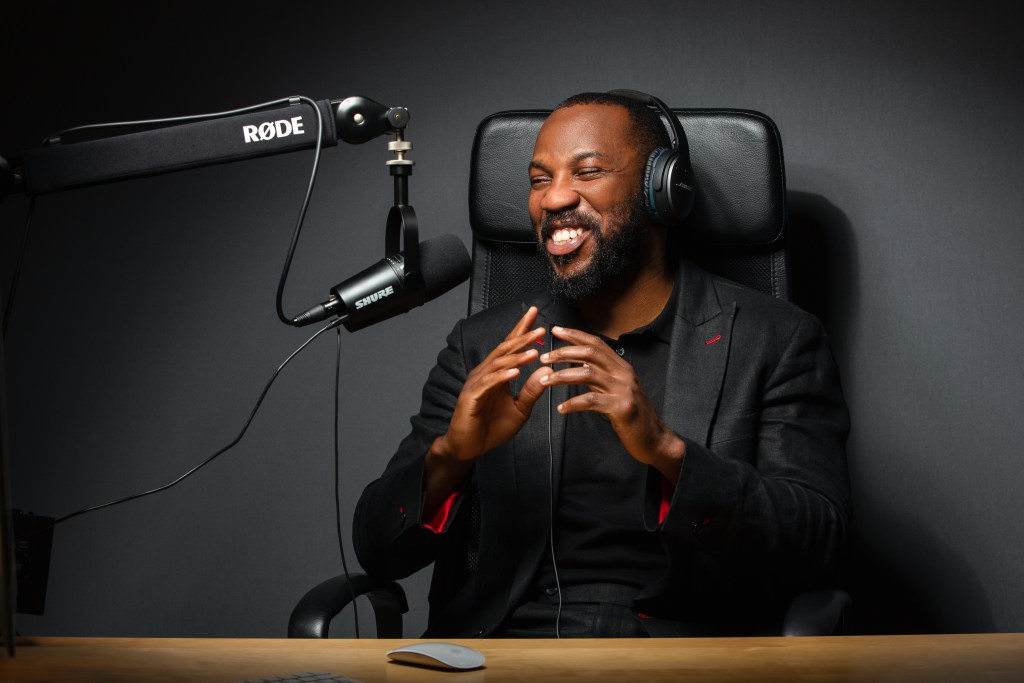
My vision is to continue building platforms that amplify African excellence on the global stage, whether through my work at LinkedIn, marketing consultancy, or my podcast Real People Real Business.
I want to be part of the ecosystem that equips African professionals and founders to own their narrative, grow their impact, and lead confidently, not just in Africa, but in boardrooms and innovation hubs across the world.
For African talent in the Middle East, I see us becoming bridge builders, connecting cultures, markets, and ideas across continents. I see more of us leading tech firms, influencing policy, launching VC-backed startups, and shaping the future of work.
Because we’re not just participating in the future, we’re building it.
Linkedin: Izu Nwachukwu