











When most people think of African banks, the mind might wander to Lagos, Nairobi, or Johannesburg. But increasingly, these financial powerhouses are expanding their footprint into the Middle East, particularly the GCC countries, including the United Arab Emirates (UAE), Saudi Arabia, and Qatar. While the headlines often focus on oil deals or diplomatic summits, the financial sector is quietly stitching together a deeper economic relationship between Africa and the Arab world. For the several African expats living in the region, the rise of African banks in the Middle East isn’t just symbolic, it has real, everyday implications.
African expats in the Middle East have relied on mainstream international banks or regional giants like Emirates NBD, Qatar National Bank, or Al Rajhi for basic financial services for years. But let’s face it, these institutions haven’t always offered products or services tailored to African needs, especially when it comes to remittances, small business financing, or cross-border investments.

African Banks Making Moves in the Middle East
While the expansion is still in its early stages, several African banks have already begun to make inroads into the Middle Eastern financial landscape. These institutions are leveraging strategic partnerships, regional offices, and cross-border fintech platforms to connect African diasporas and businesses to homegrown financial services. Here are some key players to watch: 
ABSA Group
- Presence: No branch yet in the Middle East, but expanding global corporate and investment banking services with growing interest in Gulf markets
- Notable Moves: ABSA has participated in high-level Africa–Middle East investment forums and continues to build relationships with Gulf-based investors interested in African markets, particularly in energy and infrastructure sectors.
Bank of Africa Group
- Presence: Exploratory partnerships in the Gulf, especially in Morocco’s diplomatic corridors
- Notable Moves: While direct offices are limited, the group leverages Morocco’s strong diplomatic ties in the Gulf to offer banking support to African companies with Gulf connections.
Ecobank
- Presence: No physical branches yet, but actively involved in trade partnerships and cross-border financial services with Gulf countries
- Notable Moves: Ecobank is strengthening its ties with global investors in the GCC to support infrastructure financing and fintech collaboration across Africa.
Equity Bank
- Presence: No physical office in the Middle East, but exploring strategic fintech and remittance channels
- Notable Moves: Equity’s success with digital financial products positions it well to serve East African diaspora communities in the Gulf through mobile-first solutions.
United Bank for Africa (UBA)
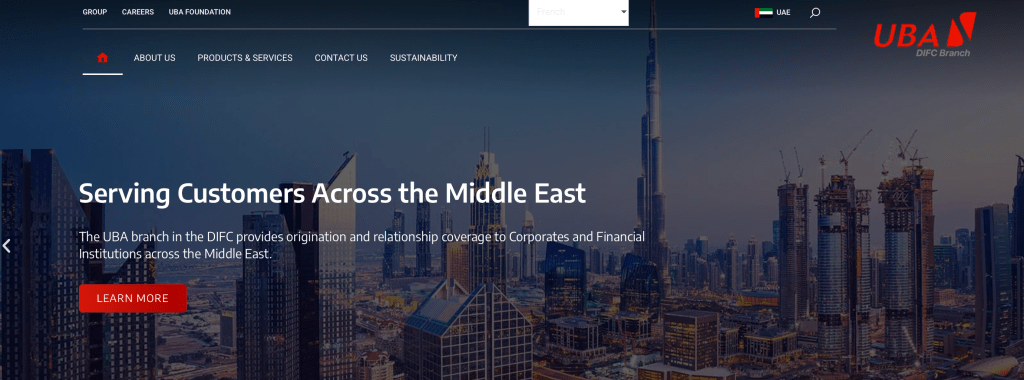
- Presence: Representative office in Dubai International Financial Centre (DIFC)
- Notable Moves: UBA’s Dubai office serves as a strategic hub for connecting African businesses with UAE investors and supporting African expats in the GCC.
Here’s why we think it matters for African expats
Faster and Cheaper Remittances
One of the most immediate benefits for African expats is in the area of remittances. You know you’re African if sending money back home has long been a challenge, delays, high fees, and limited payout options plague many conventional remittance channels. African banks bring deep local knowledge and partnerships that can streamline this process.
With a direct line to home-country branches, many of these banks offer digital solutions like mobile apps and digital wallets, which can slash the cost of transferring funds and speed up the process significantly. For example, an African bank with a presence in Dubai might allow you to instantly transfer money to a family member’s account in Ghana, Zimbabwe or Kenya—no third-party apps, no five-day waiting period, and no excessive fees.
Access to Diaspora-Focused Products
African banks often understand the unique needs of diaspora clients better than mainstream international banks. They offer products tailored to long-term goals, such as mortgage options for buying property back home, savings accounts in home currencies, or even investment products that allow diaspora members to participate in infrastructure projects or agricultural funds.
This kind of financial inclusion not only allows expats to build wealth more strategically but also keeps them connected to their home economies in meaningful ways. It’s no longer just about sending money home, it’s about investing in home.
Cross-Border Business Support
As more Africans in the Middle East launch small businesses, African banks can play a critical role in supporting cross-border trade. Whether it’s importing shea butter from Nigeria, textiles from Ethiopia, or coffee from Rwanda, entrepreneurs face tedious red tape, inconsistent regulation, and currency risks.
Banks that understand both the African and Middle Eastern financial environments can offer tailored trade finance solutions, letters of credit, and foreign exchange services. In doing so, they become enablers of African entrepreneurship abroad, a vital contribution to economic empowerment in the diaspora.
Strengthening the Afro-Arab Relationship
The increasing visibility of African banks in the Middle East is also a sign of shifting geopolitical and economic alignments. If you haven’t noticed already, Gulf nations are pivoting toward Africa as a critical partner for investment. African banks are natural intermediaries in this space, able to provide the financial infrastructure for such ventures.
It’s a two-way street. As Gulf investors pour money into African ports, roads, and agriculture, African financial institutions are needed to manage risk, enable transactions, and provide on-the-ground expertise. Meanwhile, African entrepreneurs in the GCC can use these banks as launchpads for regional expansion or for connecting to home markets.
It’s safe to say the future is Pan-African and global
As the African diaspora in the Middle East continues to grow, the need for financial services that reflect the realities of African life abroad becomes increasingly urgent. The rise of African banks in the region is a welcome shift, one that promises to make banking more accessible, equitable, and attuned to the needs of African communities.
Of course, the road ahead isn’t without hurdles. Challenges like regulatory requirements, banking licenses, and cultural differences pose challenges to African banks looking to establish themselves in the GCC. Additionally, competition from local and global financial players is intense.
Then there’s the tech challenge. Digital banking is now the norm, and African banks must ensure that their platforms can meet the high expectations of consumers in the GCC, where banking is increasingly mobile-first and real-time.
However, it’s not just about convenience, it’s about connection to home, to opportunity and to legacy. And to a new financial era that sees African expats not as outsiders, but as valued participants in global economic ecosystems.
So the next time you walk past a representative office for an African bank in Dubai, or spot an app from an African financial service provider, take a closer look. It’s not just a logo. It’s a lifeline.