







Unpacking Fibroids: What Every African Woman Should Know
Let’s talk about a health condition that disproportionately affects black women, often in silence. Fibroids, which can be simply defined as non-cancerous growths of the uterus, can have a wide range of effects, from heavy periods to fertility challenges. Yet, misinformation still clouds the conversation. In many African communities, reproductive issues are whispered about or dismissed as normal, leading to delayed diagnoses and unnecessary suffering.
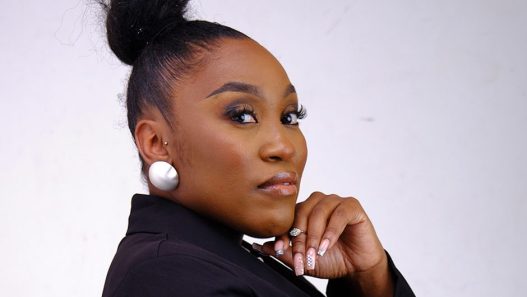
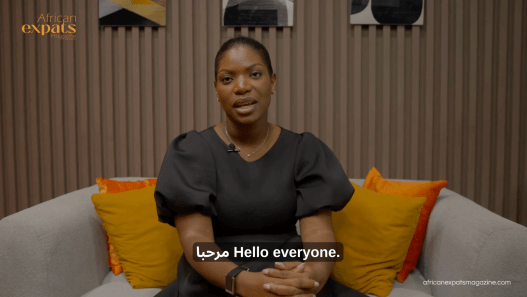
To help us separate fact from fiction, we speak to Dr. Uloma Okwuosa, a board-certified OBGYN and trusted voice in women’s health. In this exclusive interview, she addresses common misconceptions and offers clarity on what African women, especially those living abroad, need to know about fibroids and fertility. 
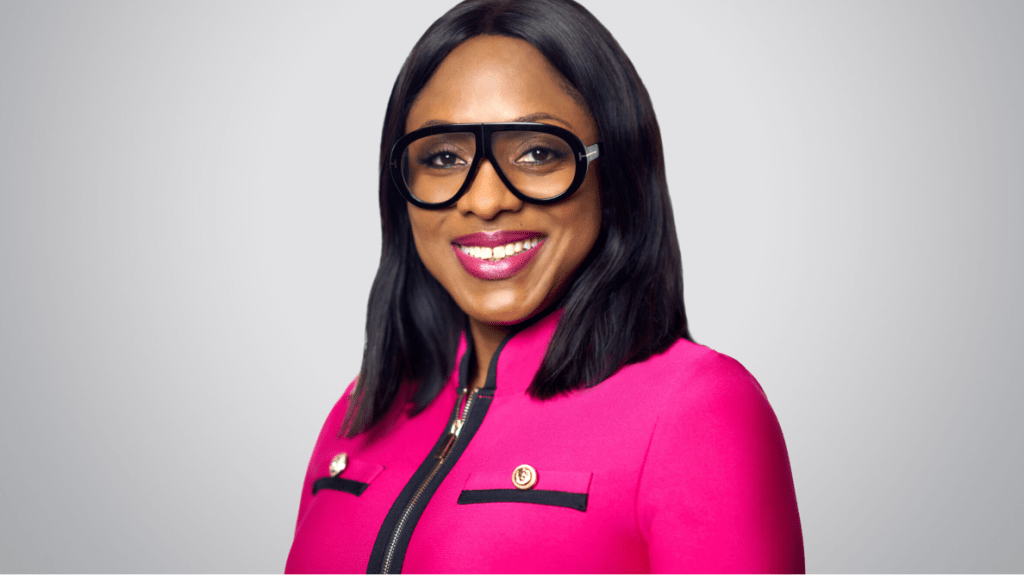
Expert Interview: Dr. Uloma OBGYN
There’s a belief that fibroids only affect older women. Is this true, and what age groups should be most vigilant?
Fibroids certainly do not only affect older women only. They tend to be evident from mid to late twenties until post-menopause. They get larger with age and therefore may not be noticeable in much younger women, when they are smaller in size. They are highly unlikely to be diagnosed in young teenagers .
There is no set age to start being vigilant. Women of reproductive age should look out for heavy and prolonged periods, pelvic heaviness or pressure, frequently needing to pass urine and episodes of bloating and constipation. Help should be sought at any time. Better to be safe than sorry. Invasive treatment is not always needed so the fear is not always called for.
Many African and Caribbean women are told that fibroids always lead to infertility, is there a medical basis for this?
Fibroids do not always lead to fertility challenges unless they are located in certain areas . They can be located outside the womb lining and not interfere with implantation at all. Many women with fibroids go on to have successful pregnancies.
Fibroids are masses which when they grow inside the uterine cavity, have the potential to take up space and prevent the implantation of a pregnancy.
Ultrasound and MRI imaging are helpful tools that help to assess the size, number and location of uterine fibroids.
What are the most common symptoms of fibroids that women often overlook or misinterpret?
Abnormal periods which are heavy and/ or prolonged, bleeding in between periods, feeling bloated often, constipation, and abnormal pelvic or abdominal enlargement.
Many women with fibroids have no symptoms at all and are diagnosed when they see their doctors for other issues.
Several women with heavy periods assume it is normal to bleed so much because they are told this.
Creating awareness and providing support are key ways to empower women with the knowledge they need to seek the right help. Do not overlook abnormal periods.
How do treatment options for fibroids differ, and are there fertility-friendly solutions for women who want children?
Treatment options include surgical and non surgical options. Non surgical (medical) options can be hormonal or non- hormonal.
In between, there are newer procedures which are fairly non-invasive that can work for some cases, not everyone.
Depending on the size, number, location and fertility wishes of each patient, treatment can be tailored accordingly.
Culturally, many African and Caribbean women suffer in silence with reproductive health issues, what advice do you have for those afraid to seek help?
I would encourage women to recognise that times have changed and prioritising one’s health is non-negotiable. There are so many women experiencing the same challenges as yourself so there is nothing to be ashamed of.
Identify a doctor who is compassionate and attentive and with whom you connect. If in doubt, seek a second opinion instead of relying on TikTok and Google. Educate yourself on the matter and ask questions at your consultation.
Fibroids may be common, but silence around them shouldn’t be. For African women navigating healthcare systems abroad, awareness is the first step toward empowerment. Whether you’re dealing with symptoms or just want to be proactive, regular checkups, open conversations, and trusted professionals like Dr. Uloma can make all the difference. Your womb, your voice.
Did You Know?
- Up to 80% of Black women develop fibroids by age 50
- Not all fibroids cause symptoms
- Diet, genetics, and hormones can play a role
🩺 About Dr. Uloma:
Dr. Uloma is a UK Board certified Nigerian OBGYN with a passion for empowering women through education. Follow her insights on Instagram at @druloma_obgyn.