








Meet the talented female African chefs putting their culinary heritage on the map in the Gulf’s competitive dining scene.
The UAE has long been a melting pot of cultures, and its culinary scene reflects this diversity. While French, Italian, and Japanese cuisines have long dominated the fine-dining scene, African chefs are now making waves, bringing their rich culinary traditions to the forefront. These talented chefs are redefining African cuisine in a region known for its high standards and competitive market. Through innovation, resilience, and deep-rooted passion, they are not only sharing the flavours of their homeland but also proving that African gastronomy deserves a seat at the global table.
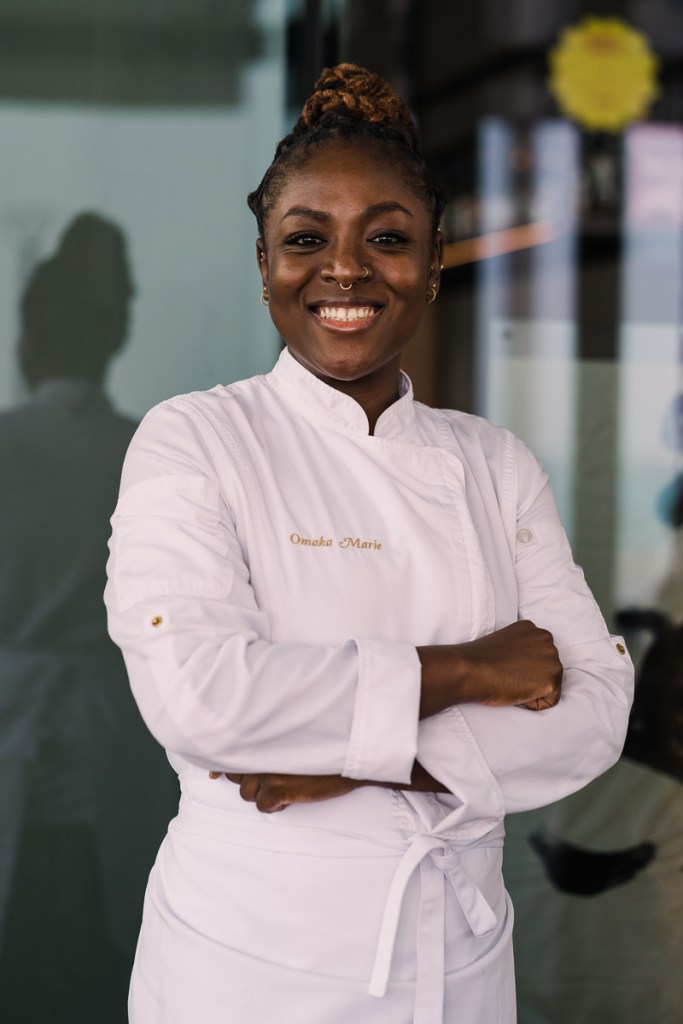
OMAKA MARIE
My name is Omaka Marie. I am Nigerian and have lived in the UAE for over seven years—first in Dubai and now in Abu Dhabi. 
What inspired you to become a chef, and how did your journey lead you to the UAE?
I changed career paths quite late in life. I was a lawyer in Lagos, Nigeria, but I quit my job because it wasn’t fulfilling. During my time of unemployment, I rediscovered my love for food and developed a renewed passion for cooking. I taught myself how to bake, started a small business, and later worked with Chef Fregz, which was my first real exposure to the industry.
Once I was sure this was the path I wanted to pursue, and with the support of my parents, I took the next step by enrolling in culinary school in Switzerland and France. After completing my studies, I landed my first job at Zuma in Dubai, which marked the beginning of my journey in the UAE.
How does your African heritage influence your cooking style and the dishes you create?
It’s in my deep understanding of flavours and how to build well-balanced dishes. Nigerian cuisine is incredibly rich and flavourful, with strong umami notes from the variety of spices, nuts, and seeds we use. This gave me a strong appreciation for the elements that make dishes taste exceptional.
For example, Nigerian beef is naturally tough, so slow cooking and proper seasoning are necessary to bring out the best flavors. I’ve applied this same technique to the oxtail ragu pasta currently on the menu at Taparelle. Similarly, while working with Japanese cuisine at NIRI, I noticed the same umami connection in bonito and crayfish, which I incorporated into my menu development.
What challenges have you faced as an African chef in the UAE’s highly competitive dining scene?
The challenges are similar to those faced by women in a male-dominated industry. There are very few of us working at a high level, and there was no blueprint to follow—I had to figure things out on my own, learning through trial and error. Beyond creating and executing dishes, I also had to learn how to lead a kitchen brigade.
Many people are surprised that I’ve worked in a highly acclaimed Japanese restaurant and now a French-Italian establishment. Opportunities are limited, and as an African chef, you’re often seen as the underdog. People don’t expect you to be creative, let alone run a restaurant, simply because African cuisine isn’t yet on the world map the way it should be.
Have you seen a growing demand for African cuisine in the region? If so, what factors are driving this interest?
Yes, far more than a few years ago. The conversation around food is changing, albeit slowly. More people now ask me where they can find the best Jollof rice and fufu dishes, and I’m always happy to point them in the right direction.
Social media platforms like TikTok and Instagram have played a significant role in driving interest. African restaurants in London are earning Michelin stars, and African chefs are advocating for our cuisine through supper clubs and contemporary dining experiences in Dubai. These efforts are helping to reshape perceptions and increase demand.
What advice would you give to aspiring African chefs looking to make a name for themselves in the UAE?
It all starts with a genuine love for food—not just cooking, but also eating and understanding flavours. Expand your palate by trying different cuisines and analyzing what makes them taste good.
Work in reputable restaurants, stay long enough to learn and grow, and ask the head chef as many questions as possible. Try to recreate dishes at home, do independent research, and dive into both the science and art of cooking. A strong foundation is essential—once you have it, you can adapt to any cuisine.
What’s next for you—any exciting projects, collaborations, or future plans?Right now, my main focus is firmly establishing Taparelle in Abu Dhabi’s food scene. I also have a lot of travel planned and am looking to connect with other African chefs to collaborate and grow together.
Instagram: @omakamarie
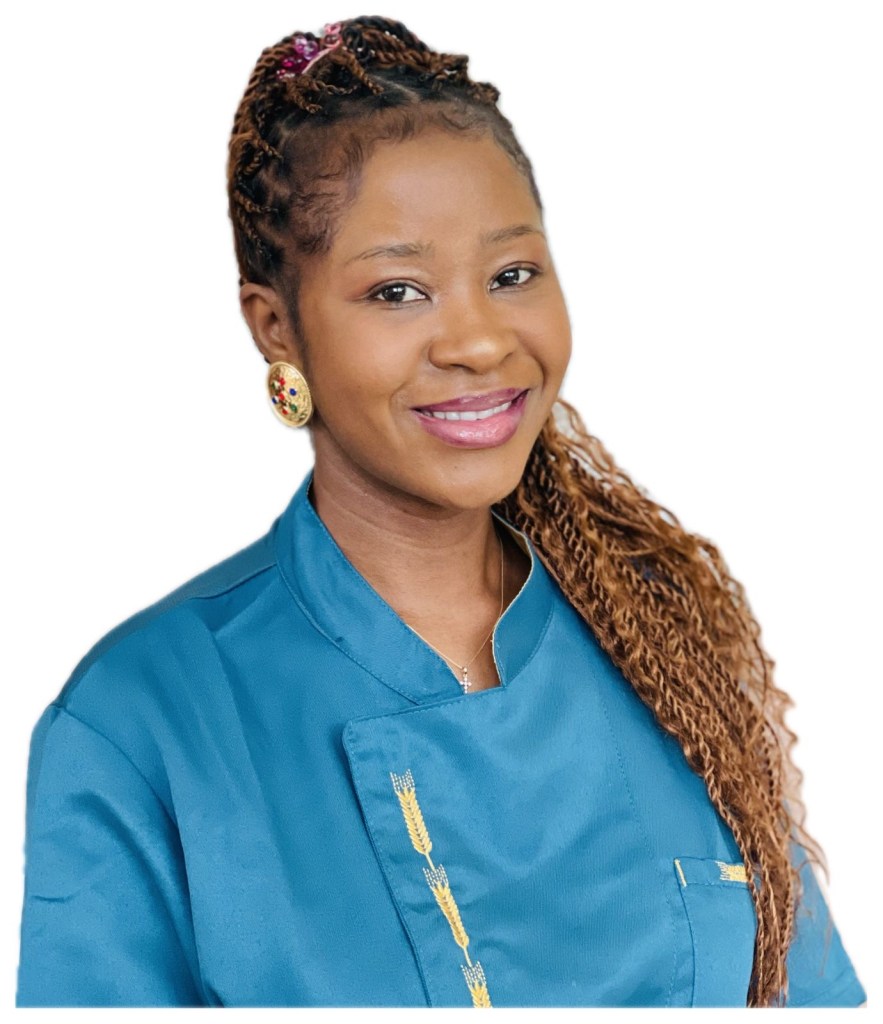
CHIYEDZA MUYARUKA
My name is Chiyedza Muyaruka, and I’m originally from Zimbabwe. I’ve been living in the UAE for over 12 years, building my career as a chef and food consultant. I founded Cheddachi Consultancy in the UAE, a food & beverage consultancy officially in 2019 specializing in private chef services, catering, kids’ cooking classes, and food product development. My passion lies in creating memorable dining experiences that merge my African heritage with global culinary trends.
What inspired you to become a chef, and how did your journey lead you to the UAE?
Food has always been a huge part of my life. Growing up, I was surrounded by rich African flavors and the tradition of gathering around the table with family. That love for food turned into a deep curiosity about cooking, which led me to pursue a professional culinary career.
The UAE is a global culinary hub, attracting some of the best chefs and food entrepreneurs from around the world. I saw it as the perfect place to showcase African cuisine in a fine dining and modern setting, while also tapping into the region’s diverse food culture. The opportunity to work with international clients and introduce them to unique African-inspired flavors was a challenge I was excited to take on.
How does your African heritage influence your cooking style and the dishes you create?
My African heritage is the foundation of my cooking style. I take inspiration from traditional Zimbabwean and pan-African flavors and blend them with modern techniques to create dishes that feel familiar yet elevated. Ingredients like sorghum, pumpkin leaves, baobab, peanut butter, plantains, and indigenous spices often find their way into my recipes. I also focus on storytelling through food—whether it’s through reinterpreting classic African dishes or infusing them with elements of Middle Eastern and European cuisine to create something new and exciting.
What challenges have you faced as an African chef in the UAE’s highly competitive dining scene?
One of the biggest challenges has been breaking misconceptions about African cuisine. Many people in this region are still unfamiliar with the diversity of flavors and techniques that African food offers. There’s also a strong demand for fine dining experiences, so positioning African cuisine as refined, innovative, and worthy of being on a high-end menu has been a journey.
Another challenge has been representation, there are not many African chefs in the UAE’s mainstream food scene, which means we often have to work harder to carve out our space. But I see this as an opportunity to educate, inspire, and push boundaries.
Have you seen a growing demand for African cuisine in the region? If so, what factors are driving this interest?
Yes, there’s definitely a growing curiosity and appreciation for African cuisine in the UAE. Several factors are driving this:
• Cultural diversity: The UAE is home to people from all over the world, including a growing African expatriate community that craves familiar flavors.
• Social media & food tourism: More people are discovering African cuisine through travel, influencers, and food content online.
• Health-conscious dining: Many African ingredients, like millet, sorghum, moringa, and fonio, are nutrient-rich and align with the global trend of healthy, natural eating.
• Unique flavors: Diners are always looking for something new, and African food offers bold, exciting flavors that stand out, I believe this is just the beginning, and I am excited to see more African culinary concepts emerge in the region.
What advice would you give to aspiring African chefs looking to make a name for themselves in the UAE?
• Know your roots but be adaptable: Stay true to your African culinary heritage, but also be open to fusion and innovation to cater to the diverse UAE audience.
• Network and collaborate: The food industry here thrives on relationships. Connect with other chefs, attend food events, and showcase your skills through pop-ups and collaborations.
• Invest in branding and storytelling: How you present your food matters. Tell a compelling story about your African flavors and experiences, whether it’s through social media, private dining, or menu concepts.
• Stay consistent and resilient: The industry is tough, and it takes time to gain recognition. Keep pushing your craft, and don’t be afraid to take risks
What’s next for you, any exciting projects, collaborations, or future plans?
I have several exciting projects in the works! Cheddachi Consultancy is growing, and we’re expanding our private chef services, boutique meal plans, and high-end catering for private events. I’m also focusing on kids’ cooking classes, helping to shape the next generation of young chefs.
On the retail side, I’m working on private-label products, including granola, caramel sauce, chef apparel, and custom kitchen knives. My goal is to build a brand that represents African culinary excellence on a global scale.
I’m also looking forward to more collaborations with restaurants, food brands, and chefs to bring African-inspired flavours into the UAE’s fine dining scene. The journey is just beginning, and I can’t wait to see where it leads!
Instagram: @cheddachi
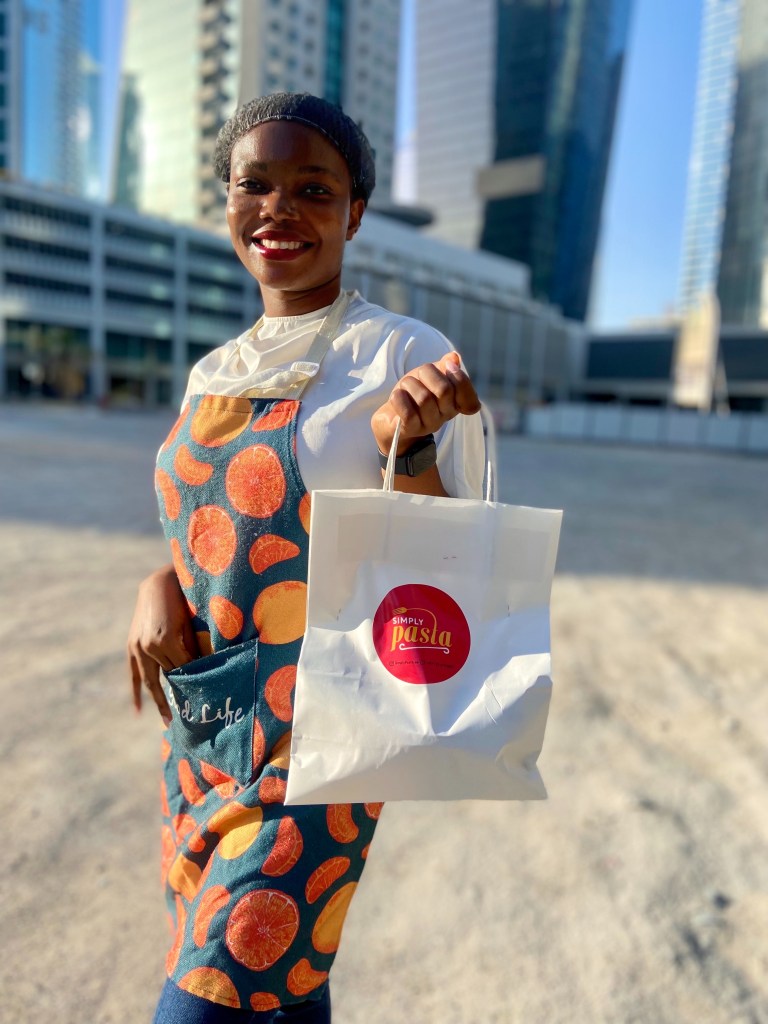
NICOLE NWACHIE
My name is Nicole Nwachie. I’m from the southern part of Nigeria and have been residing in the UAE for the past five years.
What inspired you to become a chef, and how did your journey lead you to the UAE?
As a child, I was surrounded by fantastic cooks like my mother, grandmother, and aunties. Dinner time was always a feast. I loved seeing the excitement on my family’s faces whenever it was time to eat. In my home, we looked forward to every meal. I have always been intrigued by the synergy of food—how the right combination of ingredients can create something mouth watering. I became the top student in my high school’s Food and Nutrition practical classes and started making free meals for friends in university. That’s when it dawned on me that I truly loved cooking.
In 2019, I launched my brand in Lagos, and after vacationing in Dubai that same year, I realized that the city needed our touch. In 2020, I made the big move to the UAE to expand my brand.
How does your African heritage influence your cooking style and the dishes you create?
A huge part of being Nigerian is boasting about Jollof rice! It may seem trivial until you taste it. There is so much richness in our flavors and cooking styles that the world needs to experience. We care deeply about the taste and freshness of our ingredients. We want our meals to be satisfying and worth the effort. The flavors in my food reflect these elements, and I’m incredibly happy that my community appreciates what I bring to their tables.
What challenges have you faced as an African chef in the UAE’s highly competitive dining scene?
Initially, setting up in the UAE was relatively easy. However, the visa ban imposed on five major African countries significantly affected my business, cutting my market by approximately 70%. To grow, you need capital and a strong support system. The visa ban was a huge setback—it broke my spirit and drastically reduced my earnings. We are competing against people with substantial funds, international access, and industry knowledge. It’s incredibly tough, but as a Nigerian, I know I have the resilience to push through!
Have you seen a growing demand for African cuisine in the region? If so, what factors are driving this interest
Absolutely! Thanks to Africans excelling in sports and entertainment, the world’s interest in African culture—including our cuisine—has surged. I try to take full advantage of this momentum. With six years of experience in the food and beverage industry, I can confidently say that the demand for African food in the UAE is growing. The continuous influx of tourists and viral food trends on platforms like TikTok have also contributed to this increasing interest.
What advice would you give to aspiring African chefs looking to make a name for themselves in the UAE?
My advice to aspiring African chefs in the UAE is to have a solid strategy. Being a great cook is not enough—you need to grow your network, define your target audience, seek mentorship from industry leaders, and be open to collaborations. Success in this field requires more than just culinary skills; it demands business acumen and perseverance.
What’s next for you—any exciting projects, collaborations, or future plans?Now that visa restrictions on some African countries, including Nigeria, have been lifted, my goal is to continue expanding my customer base and hopefully transition my brand back into a walk-in dining experience.
I also recently became a mom, which inspired my latest project—helping pregnant women and new moms eat healthily and conveniently through personalized meal plans. There’s so much on the horizon, and I’m excited about what’s to come. Stay tuned to our journey—I’ll be sharing updates on our social media platforms!
Instagram: @likemamadoes
African chefs in the UAE are challenging stereotypes, and elevating their cuisine to new heights. With passion, perseverance, and a deep appreciation for their culinary heritage, they are proving that African flavors belong on the global stage. As demand for diverse dining experiences continues to grow, these female chefs are not just cooking, they are making history. The journey is just beginning, and the world is finally taking notice.