






Explore the vibrant works of African visual artists whose creativity is shaping the Middle Eastern art scene.
The Middle Eastern art scene is experiencing a surge of diverse influences, and African visual artists are making a significant impact. Through bold colours, cultural narratives, and innovative designs, African artists in the UAE are bringing fresh perspectives to the region’s creative landscape. In this article, we share their stories as they navigate the fusion of African heritage with the dynamic energy of the Gulf.
SANDRA-JOY UNAEGBU
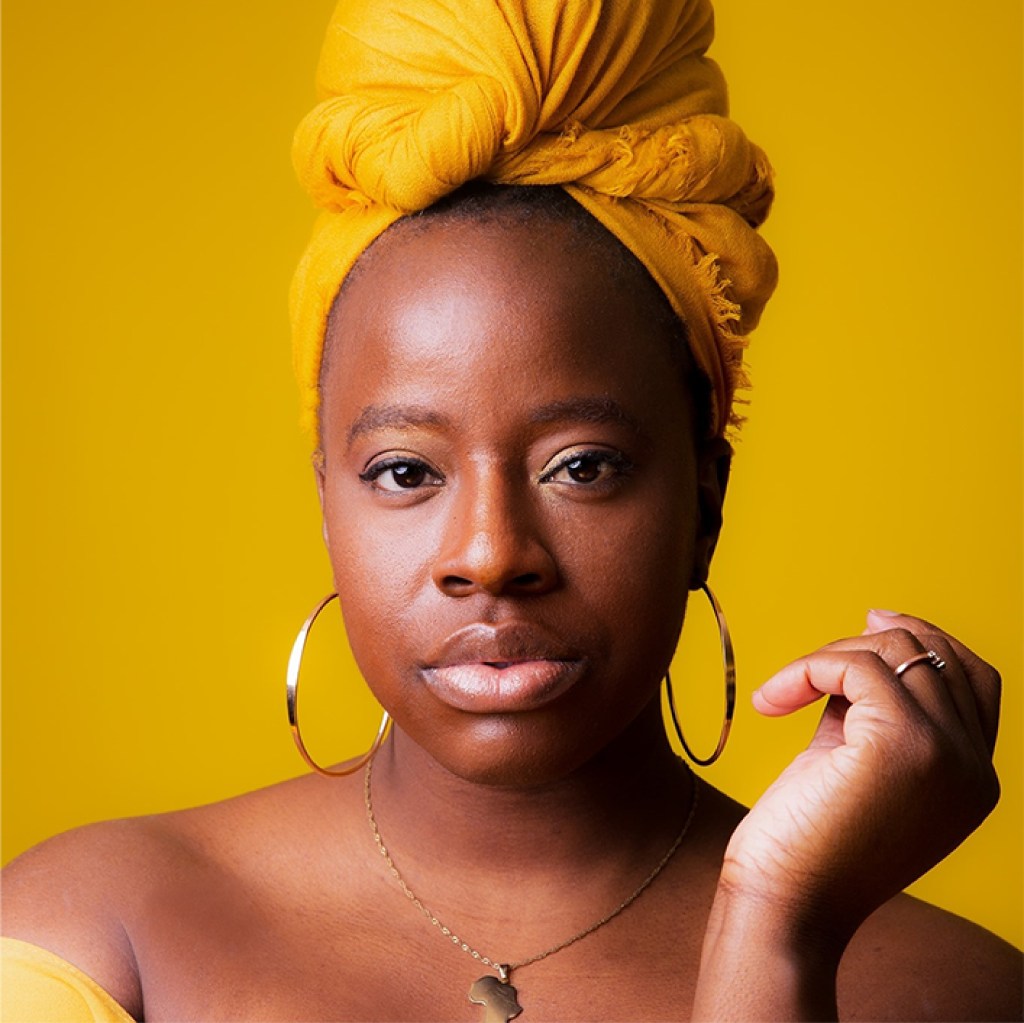
Please share your journey into Visual Arts and motivation for showcasing your work in the UAE?
With over 15 years of experience in photography—spanning events, sports, fashion, and beauty—I have built a career that blends storytelling, culture, and design. Raised in Canada by Nigerian migrant parents, I took an unconventional path that led to the creation of Kurent Designs, a brand where art meets fashion.
My journey to the Gulf was unexpected. I initially visited family but found inspiration in the region’s diverse culture and creative energy. Today, through Kurent Designs and Kurent Lifestyle, I merge photography and fashion, creating wearable art that tells compelling stories. 
How does African culture influences your art?
African culture plays a fundamental role in my work. Red, yellow, green, and black—colors deeply rooted in African identity—are central to my designs, symbolizing strength, unity, and resilience. My first design, Africa, features all African countries forming the continent’s shape, emphasizing inclusivity beyond my Nigerian roots. Through my work, I strive to create universal designs that connect with people from all backgrounds.
How has the Middle Eastern art scene shaped your creative expression?
Exhibiting in the Middle East has been both inspiring and challenging. While high-end brands dominate the market, I am rebranding Kurent Designs to align with my artistic vision. The photography arm of my brand, Kurent Lifestyle, has gained traction, with clients trusting my creative direction. Balancing commercial appeal with artistic expression remains a key part of my journey.
What challenges have you faced as an African visual artist in the Gulf?
Gaining recognition as an African artist in the Gulf presents unique obstacles. Many established platforms prioritize Western or local Middle Eastern artists, making visibility a challenge. Additionally, navigating industry gatekeeping and educating audiences about African artistry requires persistence. However, through networking, creative collectives, and strategic branding, I continue to carve a space for myself in the region’s art scene.
What advice would you offer to emerging African artists?
For African artists looking to establish themselves in the Middle East, I recommend:
- Networking with Intention – Engage with creative communities and attend art fairs.
- Strengthening Your Digital Presence – Consistently showcase work online for visibility.
- Understanding Market Trends – Research pricing and audience preferences.
- Collaborating Strategically – Work with brands and galleries while maintaining artistic value.
- Staying Authentic – Adapt to trends without losing artistic identity.
- Being Business-Ready – Have clear pricing, branding, and a strong sales strategy.
I believe in perseverance and am confident that Kurent Designs and Kurent Lifestyle will continue to grow.
Instagram: @kurentlifestyle
OLUWATOOKI ADEGBIE

Please share your journey into visual arts and motivation for showcasing your work in the Gulf.
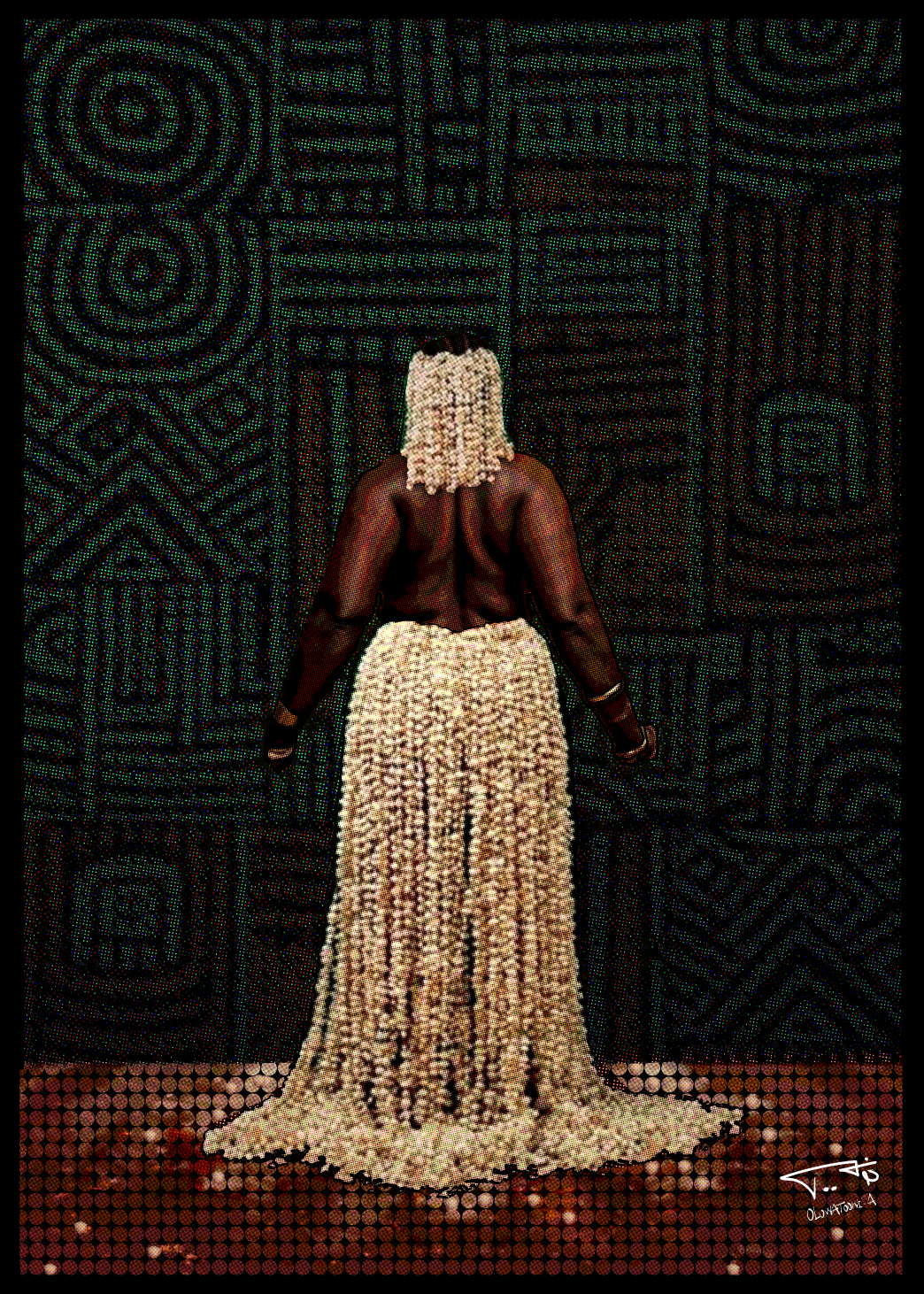
My artistic journey began during the COVID-19 pandemic in 2020. With a background in architecture from a Dubai university, I developed a strong foundation in form, function, and conceptualization. My early interest in doodling evolved into a passion for art and photography, blending pop art and Afrocentric influences.
Having lived in the Gulf for over eight years, I saw an opportunity to develop my artistic presence in the region, using my work to experiment with storytelling and creative expression.
How has your African culture influences your art?
Growing up in Nigeria significantly shaped my artistic perception. My work reflects the colors, patterns, and symbols of my heritage, often influenced by subconscious cultural memories. This blend of nature and nurture informs my artistic approach, giving my pieces a unique identity.
How has the Middle Eastern art scene shaped your creative expression?
Although I am relatively new to the art scene, I find the Middle Eastern community to be open to expansive thinking. The region’s appreciation for bold concepts and storytelling has encouraged me to push creative boundaries and refine my artistic voice.
What challenges have you faced as an African visual artist in the Gulf?
Gaining visibility as an African artist in the Gulf requires active engagement. I believe that by embracing opportunities, sharing my work, and engaging with diverse audiences, my art will find its place. While challenges exist, I remain focused on seizing new opportunities.
What advice would you offer to emerging African artists?
My advice is simple yet powerful: “Transform ‘Make it’ into ‘Make it happen.’ Build connections across different creative sectors and, most importantly, enjoy the process.”
Instagram: @oluwatooki.a
ONOUHA COLUMBUS
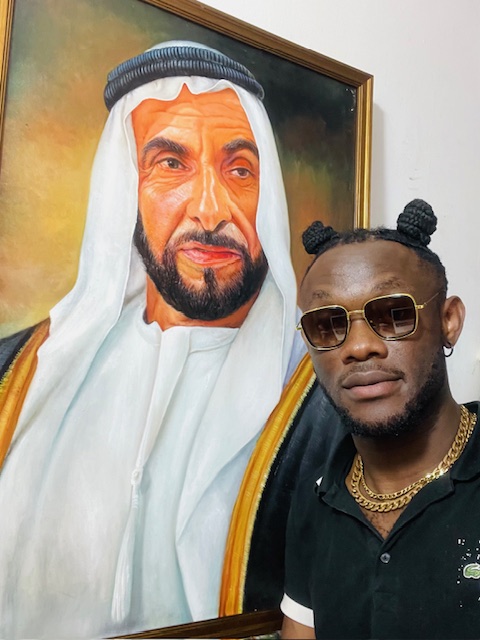
Please share your journey into Visual Arts and motivation for showcasing your work in the Gulf.
It’s been a long journey. I found myself doing art without initially realizing it could become a lifelong career. Growing up in Nigeria, art wasn’t something people valued. Typically, parents wanted you to become a doctor or an engineer—and as an Igbo boy, if not that, then business was the expected path.
At first, I wanted to study Mass Communication because I never considered art a viable career due to my upbringing. But as more people began to appreciate my work—and I started earning from it—I began to see the true value in my craft.
After committing to art full-time and hosting my own solo gallery in Lekki, I noticed that 70% of my clients were foreigners. That insight pushed me to consider moving abroad to tap deeper into that international audience. Initially, my plan was to move to the USA, but after COVID hit, I shifted my focus and moved to Dubai instead—with the goal of participating in exhibitions, growing my portfolio, and adding value to the art scene here.
How does African culture influences your art?
African colors, traditions, and culture have played a huge role in shaping my work. Recently, I started painting well-known global figures like Tupac and Morgan Freeman wearing Isiagu, the traditional Igbo head attire. When Morgan Freeman reposted one of my pieces, it went viral—and that moment confirmed just how powerfully my culture influences my art.
How has the Middle Eastern art scene shaped your creative expression?
I’ve had to adjust my artistic style in certain ways to align with cultural norms in the UAE. For example, I used to enjoy painting nude figures, but I’ve chosen not to create or display those works here out of respect for local values and regulations.
What challenges have you faced as an African visual artist in the Gulf?
Personally, I haven’t faced major challenges. While I’ve heard others talk about discrimination toward Africans, my experience has been largely positive. In fact, I believe being African has given me increased visibility and recognition at exhibitions.
What advice can you offer to emerging African artists?
If you want to succeed in the Middle East, tailor your art to suit the local market. Paint subjects that resonate with people here—portraits of locals or scenes related to the UAE. That’s how you grab their attention and make sales. From there, you can gradually introduce your personal or African-themed work. Understand your audience, and use that as a bridge to share your artistic voice.
Instagram: @onuohacolumbus